|
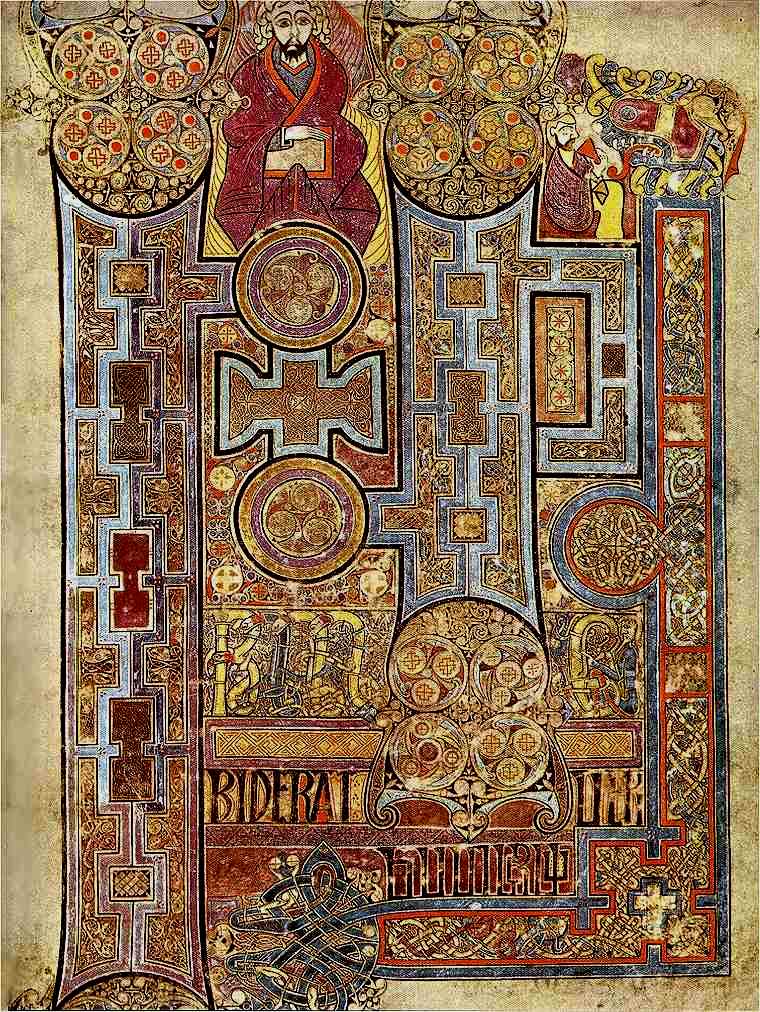
| Heinrich Vogtherr the Younger |
It becomes more understandable though, if we interpret it as part of an extended metaphor on the seasons. The previous verses depicted the full harvest and tranquility of summer and autumn that are the fruit of our perseverance; now we have a harsh winter, that will eventually be dispelled by God’s Word who brings the spring hope.
Before we can reach that good though, we must first endure the hardships of winter, and do penance.
Text notes
|
5 |
V |
Qui dat nivem sicut lanam: * nebulam sicut cinerem spargit. |
|
JH |
Qui dat nivem sicut lanam, pruinam sicut
cinerem spargit. |
|
|
|
τοῦ διδόντος χιόνα ὡσεὶ ἔριον ὁμίχλην ὡσεὶ σποδὸν πάσσοντος |
Here is a word by word translation:
Qui (who) dat (gives) nivem (snow) sicut (like) lanam (wool): nébulam (mist) sicut (like) cínerem (ashes) spargit (he scatters)
Key vocabulary:
nix, nivis, f snow.
lana, ae, f, wool.
nebula, ae, f a fog, mist.
cinis, eris, m. ashes.
spargo sparsi, sparsum, ere 3, to sprinkle, strew, scatter.
English translations:|
DR |
Who gives snow
like wool: scatters mists like ashes. |
|
Brenton |
He gives snow
like wool: he scatters the mist like ashes. |
|
MD |
He giveth snow
like wool, He scattereth hoar-frost like ashes. |
|
RSV |
He gives snow
like wool; he scatters hoarfrost like ashes. |
|
Cover |
He giveth snow
like wool, and scattereth the hoarfrost like ashes. |
|
Knox |
Now he spreads a
pall of snow, covers the earth with an ashy veil of mist |
The seasons of our heart
St Cassiodorus argued that the allusions to winter in this verse and the next - snow, mist, ice and cold - should be regarded as metaphors for the things that harden us in sin:
All the things mentioned, snow, mist, crystal, cold are ills of this world which grip tight mortal hearts with the frost of sins, and cause them to remain in a rock-like stupor unless they are melted by the Lord's warmth.
But he also suggests that the transformation from something frozen solid into soft snow signals that healing process:
So He makes snow like wool, so that what previously was frozen with bitter cold is transformed into woolly softness. This happens precisely when He has guided men's hearts when at their coldest through sins to the warmth of satisfaction. Snow describes man when he removes himself from the Lord; wool, when he has deserved to attain His healing. Mist denotes all sin, for it is always performed in cloudy darkness, but through the Lord's agency it is dispersed like ashes when its mass is dissolved by the grace of confession.
A call to penance
St Jerome unpacks the basis for this metaphor a bit further, providing us with an elaborate chain of meanings interpretation of the verse, hanging off the words snow and wool, that interprets the verse as a call to repent and do penance, but also to the Eucharist:
The word of the Lord that runs swiftly is spread like snow, and the snow itself is like wool. Just think of the merciful kindness of the Lord. The food of the Lord is changed for us into a garment. John had said of the Lord Savior: 'Behold the lamb of God, who takes away the sin of the world'; and Isaiah: 'He shall be led like a lamb to the slaughter.' Of this lamb, therefore, and of this sheep, is the wool that is like snow. Isaiah says: 'Though your sins be like scarlet, they may become white as snow.' 'Cleanse me of sin with hyssop, that I may be purified; wash me, and I shall be whiter than snow.'...Mark: 'like ashes.' Do you want to be clean? Do penance. 'For I eat ashes like bread, and mingle my drink with tears.'
He therefore entreats:
Take away, 0 Lord, my uncleanness; take away whatever there is of baseness. Grant Your snow, Your purity, to the minds and hearts of Christians. Unless You cleanse us with the snow of Your purity, we cannot wear Your garment. Christ is our garment. If we want to possess Christ as our garment, let us be pure as snow...
Psalm
147 – Lauda Jerusalem
|
Vulgate |
Douay-Rheims |
|
Lauda,
Jerúsalem, Dóminum: * lauda Deum tuum, Sion. |
Praise
the Lord, O Jerusalem: praise your God, O Sion. |
|
2 Quóniam
confortávit seras portárum tuárum: * benedíxit fíliis tuis in te. |
Because
he has strengthened the bolts of your gates, he has blessed your children within you |
|
3 Qui pósuit fines tuos pacem: * et ádipe
fruménti sátiat te. |
Who
has placed peace in your borders: and fills you with the fat of corn. |
|
4 Qui emíttit elóquium suum terræ: * velóciter
currit sermo ejus. |
Who
sends forth his speech to the earth: his word runs swiftly. |
|
5 Qui dat nivem sicut lanam: * nébulam sicut
cínerem spargit. |
Who
gives snow like wool: scatters mists like ashes. |
|
6 Mittit
crystállum suam sicut buccéllas: * ante fáciem frígoris ejus quis sustinébit? |
He
sends his crystal like morsels: who shall stand before the face of his cold? |
|
7 Emíttet verbum suum, et liquefáciet ea: *
flabit spíritus ejus, et fluent aquæ. |
He
shall send out his word, and shall melt them: his wind shall blow, and the
waters shall run. |
|
8 Qui annúntiat verbum suum Jacob: *
justítias, et judícia sua Israël. |
Who
declares his word to Jacob: his
justices and his judgments to |
|
9 Non fecit táliter omni natióni: * et
judícia sua non manifestávit eis. |
He
has not done in like manner to every nation: and his judgments he has not
made manifest to them. Alleluia. |
And for the next post in this series, continue on here.